Use Your Dental Benefits Before They Reset: Book Your Checkup and Cleaning in Albany
If you have dental insurance, many plans reset on January 1, and unused benefits usually don’t carry over. Booking a dental checkup and cleaning before the year ends is one of the simplest ways to make the most of the coverage you’ve already paid for, while catching small problems early.
December in Albany gets busy fast. Between work deadlines, holiday shopping, and family plans, it’s easy to let a dental visit slide into “next year.” But if you have dental insurance, waiting can mean leaving value on the table.
Most dental plans work on a yearly cycle. Many reset in January, so check yours. If you haven’t had your dental checkup in Albany this year, now is a good time to schedule it. Here’s what a preventive visit includes, what to bring, and why booking soon makes sense.
Most people don’t skip the dentist on purpose. The year just fills up. A short visit now can save you a much longer one later.
Why Does the End of the Year Matter for Dental Benefits?
Many dental plans include an annual maximum. That’s the most your plan will pay toward your care in a single plan year. When the plan year ends, any unused amount typically disappears, and the count starts over.
Plans differ, so it’s worth a quick look at yours:
- Check your plan year. Many plans reset on January 1, but some follow a different date.
- See what you’ve used. Your insurance company’s website or member services line can tell you what’s left.
- Look at preventive coverage. Find out how your plan handles routine checkups and cleanings.
- Ask about deductibles. If you’ve already met this year’s deductible, that may affect what you pay for other care before the reset.
Only your plan can confirm what’s covered. Bring your dental insurance card to your appointment, and feel free to ask our front office team any questions when you call to book.
What Happens at a Dental Checkup in Albany?
A checkup is more than a quick polish. At Dental Wellness of Albany, a routine visit for teeth cleaning and preventive care includes a full-mouth exam.
| Part of the visit | What happens | Why it matters |
|---|---|---|
| Cleaning and polishing | Your hygienist removes plaque (soft, sticky bacteria) and tartar (hardened buildup), then polishes away surface stains | Tartar can’t be brushed off at home and can irritate your gums |
| Gum check | A periodontal evaluation, which checks your gums and the bone that supports your teeth | Finds early signs of gum disease before teeth loosen |
| Oral cancer screening | A look at your lips, tongue, throat, neck, and gums | Early changes are easier to address |
| X-rays (when needed) | Digital X-rays to see between teeth and below the gumline | Shows decay, bone loss, and abscesses that aren’t visible |
| Dental work check | A review of your crowns, bridges, and fillings | Catches wear or damage before it becomes a bigger repair |
New patients start with a comprehensive exam. It includes a full oral exam, a gum health evaluation, an oral cancer screening, a check of any existing dental work, the X-rays you need, and a personalized treatment plan.
How Often Should You Get a Checkup and Cleaning?
For most people, dentists recommend cleanings and exams twice a year. Some patients with gum disease or other needs may benefit from more frequent visits. The ADA encourages regular dental visits at the interval your dentist recommends, because prevention is easier and more comfortable than repair.
When you remove plaque and tartar regularly, your gums have a better chance of staying healthy. That means fewer surprises, fewer emergency visits, and more time doing the things you enjoy.
What to Bring to Your Visit
- Your dental insurance card and a photo ID
- A list of all current medications you take
- Completed patient forms, if you’re a new patient
You can find more details on our new patient page.
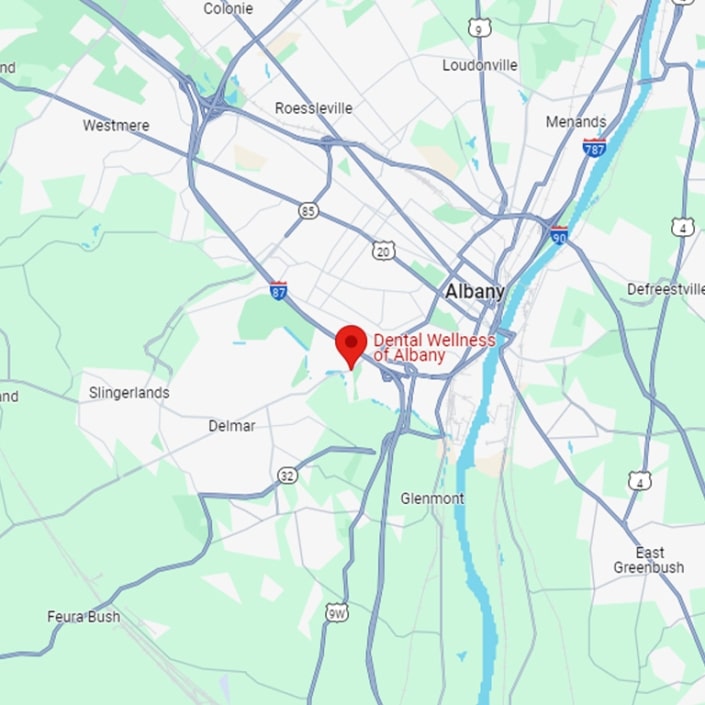
Our office hours are Monday to Friday, 8:00 AM to 4:30 PM. Because the office opens at 8:00 AM, you can fit in an early visit before work, whether you’re heading up Delaware Avenue from Delmar or coming over from Glenmont.
Common Questions About Year-End Dental Visits
Do unused dental benefits roll over?
In most dental plans, unused benefits do not roll over to the next year. Your annual maximum usually resets when your plan year starts again, often in January. A few plans offer rollover features, so check your plan details or call your insurance company to be sure.
What happens at a checkup and cleaning?
Your visit includes a professional cleaning and polish, a gum health check, an oral cancer screening, a review of your existing dental work, and X-rays when needed. Your dentist then discusses anything that needs attention and answers your questions.
How often should I get a cleaning?
Most people do well with cleanings and exams twice a year. If you have gum disease or other concerns, your dentist may recommend more frequent visits. The right schedule depends on your mouth, and we’ll help you figure it out.
What should I bring to my first visit?
Bring your dental insurance card, a photo ID, and a list of all the medications you currently take. New patients should also print, fill out, and bring the patient forms that apply to their visit. This helps your appointment start on time.
Can I book an exam and X-rays the same visit?
Yes. X-rays are part of the exam when your dentist needs them. New patients receive a full set of X-rays with their comprehensive exam, so the team has a clear starting point.
Schedule Your Checkup and Cleaning in Albany
There are only a few weeks left before many plans reset. Booking now gives you more time options that fit your schedule before the year ends. Learn more about a checkup and cleaning, then request an appointment online or call Dental Wellness of Albany at 518-427-2447. We’re located at 651 Delaware Ave, Albany, NY 12209.